

Ever wonder who decided how many players belong on a field? Or where your favorite game came from in the first place?
The history of sports goes back thousands of years, well before sponsors and TV deals. This guide follows the history of sports from ancient times to modern day. You'll meet early wrestlers, Greek champions, one stubborn French educator, and eventually a lot of cameras.
Put plainly, the history of sports is the story of how play turned into competition. Rules, equipment, venues, and even the way crowds treat athletes—all of it has shifted over time. You'll also see it written as the history of sport. Same story.
The origins of sports are humble. People ran, threw, wrestled, and hunted because they needed food and safety, not trophies. Then, slowly, someone challenged a neighbor to a race, and a crowd gathered. That's basically how it all started. Festivals and ceremonies came next.
Cave paintings in France, about fifteen thousand years old, seem to show people wrestling and running. Egyptian tombs go further, with wrestlers, swimmers, and archers caught mid-action. Nobody wrote a rulebook back then, yet the urge to compete was clearly alive.
The Mesoamerican ballgame is more than three thousand years old. Teams played on stone courts, and the game carried real religious weight. Elsewhere, China, India, and Persia developed archery and polo, and trade routes helped carry those ideas across borders. Plenty of these games doubled as warrior training.
Greek city-states took athletics seriously. Really seriously. A strong body meant military strength, personal honor, and a way to please the gods. Young men trained in public gymnasiums, and a big win could bring free meals and poems written about you.
Ancient Greek sports covered foot races, wrestling, boxing, discus, and javelin, while chariot racing drew the loudest crowds. Then there was the pankration, a mix of wrestling and boxing with barely any rules. Injuries were common. Fans still packed the stands and placed bets.
| Event | What It Involved |
| Stadion | A short sprint of one stadium length |
| Pentathlon | Five events, including discus and javelin |
| Pankration | A mix of wrestling and boxing |
| Chariot racing | Fast, dangerous races with horses |
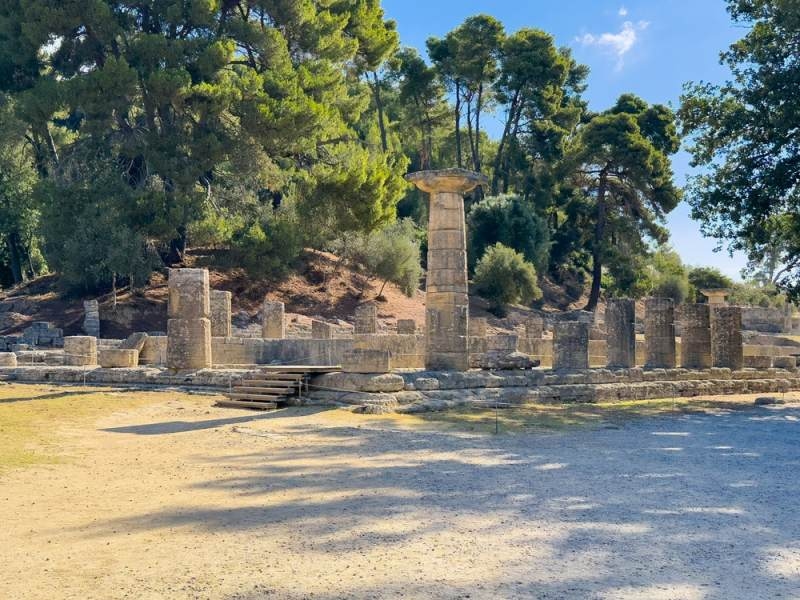
According to tradition, the ancient Olympic Games began in 776 BCE at Olympia, honoring Zeus. They returned every four years, and local wars paused so travelers could arrive safely. Roman rule eventually drained the festival of its meaning. Emperor Theodosius shut it down around 393 CE.
Pierre de Coubertin, a French educator, believed sport could build friendship between nations, so he pushed to revive the Games. Athens hosted them in 1896, with roughly 240 athletes from fourteen countries. Spyridon Louis, a Greek runner, won the marathon and thrilled the home crowd. Women first competed in 1900, and the Winter Games began in 1924.
The history of athletics is really the history of running, jumping, and throwing. Those events sat at the heart of almost every early game. Greeks measured races in stadium lengths, while the Romans cared more about spectacle. Britain in the 1800s added clubs, timed records, and written rules, and the sport spread from there.
| Period | Milestone |
| Ancient Greece | The stadion becomes the first Olympic event |
| 1860s | English clubs organize amateur track meets. |
| 1896 | Athens hosts the first modern marathon. |
| 1912 | Electronic timing helps officials judge close races. |
Something big happened in the 1800s. Industrial cities gave workers free Saturday afternoons, cheap railways, and large crowds. Before that, many village games had loose rules, and some medieval football matches involved whole towns. Schools and clubs in Britain decided this chaos needed fixing.
Written rules changed everything. Teams from different towns could finally play under the same conditions, and a rulebook settled the arguments. Governing bodies then trained officials and kept trustworthy records. Football came first, and the others followed quickly. These are the moments worth remembering.
Picture a muddy village game, then picture a packed stadium with cameras on every angle. That's the gap. Today's pros train all year, lean on sports science, and become famous far beyond their home countries. The table below compares the two eras.
| Area | Early Sport | Modern Sport |
| Rules | Local and flexible | Written and global |
| Equipment | Simple, handmade items | Engineered, tested gear |
| Audience | Village crowds | Worldwide broadcasts |
| Athletes | Amateurs and warriors | Full-time professionals |
| Purpose | Ritual, training, honor | Entertainment, business, pride |
Newspapers came first and turned local matches into national stories. By the 1920s, radio carried live games into living rooms, and television later added replays and close-ups that sponsors loved. Now fans stream matches on their phones and check live stats mid-game. Curious about the newest tools? Look at how AI in sports broadcasting is changing coverage.
A timeline helps when the story gets long. Each period below added something new, from sacred rituals to streaming apps. Think of it as a quick map of the turning points behind nearly every game you watch today. Skim it if you're short on time.
| Era | Key Development |
| Prehistoric era | Running, wrestling, and throwing appear in cave art. |
| 776 BCE | Traditional start of the ancient Olympic Games |
| 393 CE | The emperor ends the ancient games. |
| 1863 | The Football Association sets shared rules. |
| 1896 | The first modern Olympic Games were in Athens. |
| 1920s | Radio broadcasts reach sports fans. |
| 2000s | Digital media and streaming go global. |
Sport moved through four rough stages, and each one built on the last. Ritual came first, then organized competition, then shared rules, and finally the commercial era we live in now.
The history and evolution of sports explains why people care so much about their teams. Games teach discipline and teamwork, and shared traditions tie families together across generations. Knowing the past also helps you judge new rules and technology with a cooler head.
To see how deep the bond goes, read about sports and society in American identity. The rise of cricket in USA also shows an old game still finding new fans.
The history of sports shows how simple play grew into something global. Greeks, reformers, rule writers, and broadcasters each changed the games we love. Next time you watch a match, remember what's behind it: centuries of tradition, rivalry, and plain human effort.
Nobody can say for sure. Cave paintings suggest people were wrestling and running about fifteen thousand years ago, and properly organized contests with rules turned up later in Egypt, Greece, and Mesoamerica.
To honor Zeus. The festival at Olympia mixed religion with athletic contests, and a sacred truce let athletes and spectators from rival cities travel there without worrying about war along the road.
A French educator named Pierre de Coubertin. He founded the International Olympic Committee in 1894 and helped launch the first modern Games in Athens in 1896, hoping sport could bring nations closer together.
Factories gave workers weekends, cities packed people together, and railways let teams travel. Written rules, paid tickets, and professional clubs followed, and casual pastimes slowly became organized entertainment that people happily paid to watch.
Media made sport a global product. Radio and television brought live games to millions, sponsors followed the audiences, and salaries climbed. Streaming now lets fans watch almost anything, anywhere, which keeps pushing the business bigger.
This content was created by AI