

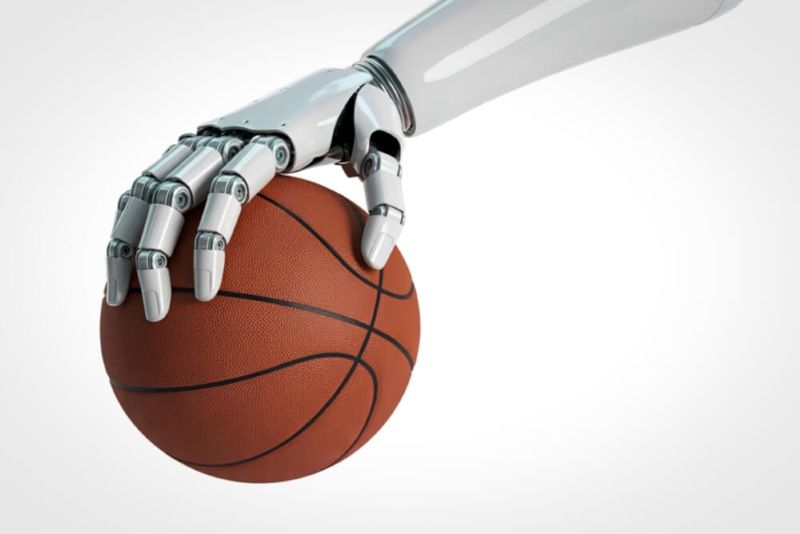
Sports coverage feels different these days, doesn’t it? The cameras catch more detail, highlights pop up seconds after a big play, and the commentary’s packed with stats you never used to hear. That didn’t just happen out of the blue. AI crept in behind the scenes, changing the way we watch, analyze, and get excited about games.
This goes way beyond just helping out directors and producers. AI is starting to shape the story arc of sports themselves. And if you look at what’s rolling out for 2026 and beyond, this is just the beginning. So what’s changing, exactly? And why should we care?
Remember when everything in a live game was up to people? Directors picked which camera to cut to. Commentators went with their gut. Editors would sit down post-game and pore over footage to make highlight reels. But that’s all getting overhauled.
This is where things get wild. AI systems watch the footage along with us. They track everything—players, the ball, crowd reactions—all at once.
That constant stream of info lets broadcasters call shots on the fly:
It doesn’t push people out of their jobs. It gives the production crew sharper, quicker info so they can do theirs even better.
Have you noticed those animated stats dropping in during games? That's all AI, too.
These tools grab live data and turn it into graphics that make sense—like:
It adds up to richer coverage, but without drowning the viewer in numbers. AI’s learning how to strike that balance.
Also Read: The Role of Sports Talk Shows in Shaping Public Opinion
Commentary has always been about people—timing, energy, the ad-libs. That’s tough for a machine. Still, automated commentary is picking up, and in certain spots it’s working.
AI voices come in handy for some sports and settings. Think:
In these cases, AI calls out the big stuff, breaks down plays, even shifts its tone if the tension ramps up.
Let’s be real—AI isn't knocking out star commentators anytime soon. Fans still crave the jokes, the wild predictions, the “Did-you-see-that?” shouts. But there’s something new happening. Some broadcasts put both side-by-side.
Remember when you had to wait for the ten o’clock news to see the best plays? Those days are fading out.
AI now hunts down the key moments for you. It spots goals, big saves, game-changing fouls—anything that matters. And then, sometimes within seconds, packages them for instant viewing.
Here’s something even cooler. Not every fan wants to rewatch everything.
Now, AI looks at what you care about, then builds highlight reels that fit. Maybe you only want to see your favorite player’s big plays, or just the goals, or just the crazy moments—no fluff.
Don't Miss: Comprehensive Guide for Beginners to Sports Content Creation
The technology isn’t just making the broadcast sharper. It’s changing the way people interact with games, too. Some of it even feels like sci-fi.
AI teams up with augmented and virtual reality these days. Picture this:
Not every broadcast offers these yet, but they’re popping up, especially in top-tier packages.
Fans can now ask smart assistants for updates mid-game:
AI sorts through the data and brings you answers on the spot. Watching a game feels more active—like you’re part of the conversation, not just sitting on the couch.
All signs point to sports becoming even more data-driven and personalized. Don’t worry, though—it doesn't mean things get cold or robotic.
AI learns what you like. Your feed might automatically line up your preferred angles, deliver commentary at your level, or send you a heads-up only for moments you care about.
AI isn’t just watching—it’s guessing what’s about to happen.
Broadcasters now use AI to show:
All this adds another layer—fans aren’t just watching, they’re predicting right along with the action.
None of this is simple, of course. There are a few big questions still up in the air.
AI eats up a ton of information: stats, player biometrics, and fan behaviors. So, who actually owns and controls all that? Leagues and networks are still hashing out where to draw the lines.
There’s always the risk that the whole thing gets too automated—too perfect, not real enough. People tune in for emotion, the messy, unpredictable stuff. And that’s not something AI can really fake or fully replace.
Suggested Reading: How Social Media Is Changing the Game in Sports Marketing?
AI isn’t some far-off dream. It’s shaping sports right now, changing how games are made, delivered, and enjoyed. With smarter commentary, instant highlights, and a more tech-savvy experience for fans, the game feels different—and more exciting.
But don’t worry. The magic of sports stays the same. The thrill, the drama, the who-knows-what ’ll-happen. AI just sets the stage. The real story? That’s still up to the athletes—and the fans.
Not likely. AI can handle data-driven narration and quick summaries, but human commentators bring emotion, humor, and storytelling that fans still value. Most broadcasts are moving toward a hybrid model rather than a full replacement.
AI helps reporters sort through mountains of stats, spot trends, and put together quick reports. Writers still handle the storytelling and the angles that matter. AI just gives them more tools to work with.
Yes, AI assists in areas like video review, offside detection, and ball tracking. Systems such as goal-line technology and VAR rely on AI to improve accuracy, though final decisions often still involve human officials.
Broadcasters will have to get comfortable with tech—data analytics, new broadcast systems—and focus more on the art of storytelling. Interpreting the data and turning it into something that makes sense? That’s where the pros will shine.
This content was created by AI