

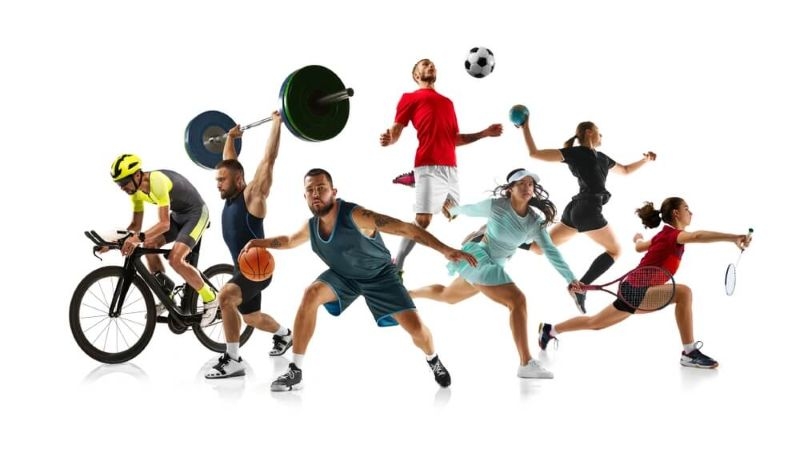
Sports and Society sit at the center of American life, shaping social values, strengthening sports community bonds, and influencing identity formation across generations. From youth leagues on quiet Saturday mornings to packed professional stadiums, nationalism in sports appears in flags, anthems, and shared chants. These rituals are not coincidental. They are always a reflection of what we value and what we teach through subtle life lessons. The connection between Sports and Society goes beyond entertainment. This creates loyalty, routines, and a sense of belonging that is everyday yet indelible. Athletic traditions mirror American identity by highlighting beliefs about effort and reward. Rules may evolve, and venues may modernize, but the emotional pull of the game remains steady.
Sports and Society developed alongside the growth of the nation. During the nineteenth century, baseball clubs and college football teams created structured competition at a time of rapid industrial and social change. Local leagues gave neighbors a reason to gather consistently, and civic pride began forming around teams.
These early competitions reinforced social values such as discipline, cooperation, and punctuality. School athletic programs later expanded these lessons, introducing leadership and responsibility. Over time, these experiences shaped identity formation, particularly for young people seeking purpose and direction.
Further Reading: Sports Rituals Around the World: A Cultural Deep Dive
Athletic space acts as an informal classroom in which sportspersons develop a value that is "practiced but not preached." The appeal of the "handshake after the loss," the "shared drills during practice," and the "accountability of the teams,"
Common Social Values Reinforced Through Athletics Include
These lessons and learnings extend beyond the field, impacting workplace behavior, classroom learning, and community involvement. Sports and Society continue to serve as training grounds for character development.
Nationalism in sports becomes most visible during international competitions. Flags wave, tunes are sung, and a collective feeling of patriotism is shared within communities. Individuals who never encounter one another feel a social bond, united beneath a single emotional experience.
As nationalism in sports is studied by many academics who deal with nationalism in global sports competitions, it has been made clear that global sports competitions will always leave lasting collective memories. A victory does spark celebration across regions, but it also makes the memory of a loss feel very personal.
National pride in athletics may appear through
Healthy nationalism in sports encourages unity without dismissing diversity. Respect for opponents and appreciation for global competition help maintain balance. When expressed thoughtfully, national pride strengthens social cohesion.
Inclusivity has significantly reshaped modern Sports and Society. Policy reforms such as Title IX expanded opportunities for girls and women in school athletics. Adaptive programs have increased access for athletes with disabilities. Professional leagues have also addressed discrimination more openly than in previous decades.
Inclusivity strengthens identity formation by ensuring representation. When children see athletes who share their background, confidence grows. Participation feels achievable rather than distant.
Some efforts that promote inclusivity may include:
As the scope of participation grows, so do sports community bonds. Spaces become representative of society as a whole. Social values, too, transform according to growth.
Identity Formation Through Team Membership
Identity formation frequently begins in small group settings. Wearing a team jersey can transform self-perception. A reserved student may feel empowered within a supportive team structure. High school mascots, college rivalries, and neighborhood leagues contribute to belonging.
Psychological research suggests that group membership supports self-esteem and social development. Team rituals create shared memories that endure for decades. Former athletes often recall competitions and practices with clarity and emotion.
Sports and Society shape identity formation by linking personal growth with collective effort. In many communities, local teams serve as cultural symbols. Residents identify strongly with regional franchises, integrating team loyalty into everyday conversation and family traditions.
Deep Dive Into the Topic: Role of Cultural Values in Sportsmanship and Athletic Ethics
Bonds within the sports community transcend the stadiums and scoreboards. Fundraisers, coach-volunteer support, and mentorships can all be centered on sports events. A structured schedule presents opportunities to reconnect with neighbors on a consistent basis.
According to sociological studies, communities with an active recreational sports league tend to have higher levels of volunteer work. Naturally, there are many factors that play a part in society; however, sport is accessible even for those who wish to participate. Parents assist as coaches, businesses sponsor uniforms, and alumni support school facilities.
Sports community bonds grow through
Through such interaction, Sports and Society helps create trust among local residents. This can even be extended to other civic initiatives, such as charity work and developmental projects.
The media contributes to the importance of Sports and Society. Media broadcasts offer role models, underdog stories, and cautionary tales. Stories of perseverance reinforce social values such as self-discipline and determination.
Nationalism through sports is very visible, with ceremonies and gestures broadcast in a visual medium. Inclusion has often become a popular topic when the media point out disparities in treatment and opportunity. Coverage dictates the national dialogue, though perspectives on the topic depend on personal experience.
Iconic sporting moments frequently become shared cultural references. A championship victory or dramatic comeback enters collective memory, strengthening sports community bonds across geographic boundaries.
Sports and Society, despite its positive contributions, faces challenges. Commercial considerations may often take precedence over local cultures. Allegations of performance-enhancing substances may taint the reputation. Cases of discrimination may point to a continuing need to fight for inclusiveness.
These issues have to be addressed by means of transparency and accountability. Ethical standards and educational programs promoting safety and fairness are implemented by governing entities. Another issue relates to competition and wellness, an issue debated mainly within youthful athletics.
When faced with problems, trust can always be rebuilt. Ethical reform strengthens athletics rather than undermining them.
Sports and Society remain significant because they reflect broader cultural changes. As demographics shift and conversations about equality evolve, athletic institutions adapt. Athletics function as visible platforms where social values are tested and refined.
Nationalism in sports continues to unite diverse populations during international events. Inclusivity broadens participation across gender, race, and ability. Sports community bonds provide stability during times of uncertainty. Identity formation continues through shared victories and setbacks.
The appeal of athletic traditions lies in simplicity. A field, a ball, and a clear set of rules create space for cooperation and resilience. Communities invest emotion because games symbolize effort, discipline, and hope.
Change is likely to continue to drive change in both Sports and Society. Technology is affecting training as well as viewer involvement. Social change is making institutions more accountable.
However, the need to belong is ever-present. Athletic traditions help satisfy the need to belong through the structured opportunity for collaborative effort and shared achievement. Even tournaments in small towns possess cultural significance. These remind participants that hard work is what unifies people beyond their differences.
Nationalism in sports might progress to more inclusive forms of pride. Inclusivity is likely to expand as public expectations shift. Social values embedded in athletics will continue to adapt in response to cultural developments.
In Case You Missed It: Traditions: How Media Amplifies the Appeal of Cultural Sport
Sports and Society play a crucial role in the formulation of American identity by enforcing social values, reinforcing sports community bonds, and creating identity. The nationalism found in sports, as well as increased inclusivity within American sports traditions, signifies development within American society. A culture that enforces fairness, inclusivity, and decency ensures these community bonds are strengthened.
Sports reinforce cooperation, discipline, and accountability through consistent practice. These lessons often extend into education, employment, and civic participation.
Nationalism in sports creates shared emotional experiences. National symbols and collective victories connect individual identity with broader civic pride.
Inclusivity increases representation and participation. Broader access strengthens sports community bonds and supports positive identity formation.
Team membership and shared rituals foster belonging and self-confidence. These experiences shape how individuals understand themselves within their communities.
This content was created by AI