

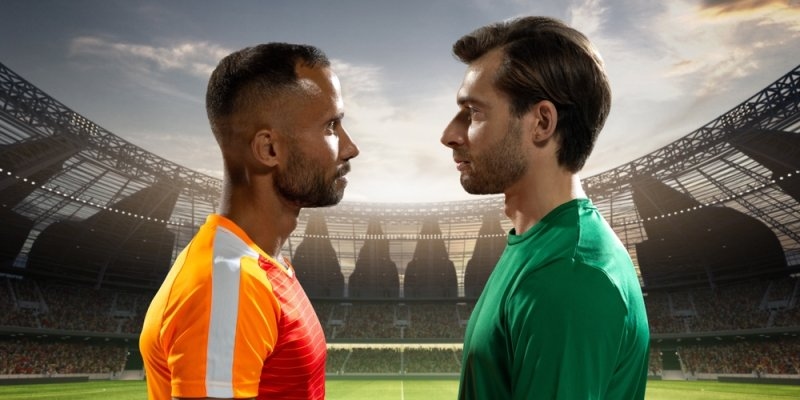
When one thinks of sports rivalries, one feels a sense of excitement in sports rivalries because the games create an incredible story with emotion, pride, and tradition, along with memorable times for everyone.
It builds memorable experiences in the history of athletics where both fans and players can fondly look back. Knowing the emotional and community aspect explains why it remains the heart of athletic games.
As two teams or individuals take center stage multiple times to compete, that history and unforgettable moments eventually establish a rivalry. These rivalries take on an importance beyond those in a simple game. Because of that ongoing rivalry, fans will become attached through joy, allegiance, and identification with that competitive relationship.
When your favorite team wins an iconic contest, you'll celebrate its glory and have that moment associated with both your hometown and yourself. When your rival is victorious over you in those high-stakes events, your emotions are often extreme, and you will endure a loss as if something personally important and tragic happened to you.
Sports rivalry psychology helps to clarify why fans experience extreme joy over victories and sincere loss when their favored team falters. Because the fanatic will often connect his own sense of self to his selected favorite player, thus rivalry rivalry is emotionally very different from typical sport contest games which fans attend. It might even be different from your standard hometown competitor.
Examples of common emotions experienced during rivalry contests consist of:
Some famous sports rivalries have risen as exemplary examples, attracting millions of admirers around the world, and these fans develop the skills as well as sports traditions needed by teams that will live on into legendary stories where they will not die as long as fans carry those traditional memories and feelings to each one of their children and future generations of fans!
Well-known examples include:
The tradition itself lives and thrives among many generations. These types of legendary rivalries often help strengthen and foster community.
In an age in which every other aspect of people’s lives appears to create divisions and distance, team support will give people a chance to bond collectively through shared interests, creating a stronger sense of community identity and overall acceptance across generational age groups as well as race, ethnicity, etc., that have otherwise drifted apart under the normal day-to-day occurrences.
These rivalries help define family gatherings too, as traditions that carry into new ages so that future lovers can continue having a memorable and emotional association with sports and also connect and identify with each other through family and sporting commonality! It also connects young athletes to older, experienced veterans and to generations as they continue.
Many modern societies and people are isolated; nevertheless, the world of professional sports provides opportunities for fans to come together and create lasting relationships. This type of relationship with and of one another is of great importance; when we consider people to love, we love with a spirit.
In sports rivalries, there is a certain high degree of emotionally intense atmosphere to a match so that both sides become extremely committed. Both competitors in a given sport encounter an additional urge to beat a given rival during that particular competition, as their hometown’s residents would hate the idea of losing to the rivals on the field.
When this competition between rivals takes place it results with higher performance, especially under unusual or unexpected competitive scenarios that will raise the standard of performance and will leave fans remembering a rivalry in many more special occasions during games; but even after years of their competition these people will continue to vividly remember that type of sports, while watching as well as taking a glimpse back at those amazing days.
The appeal of sports rivalry comes from more than the competition itself; rather, it comes from what can develop around it: tradition, friendship, camaraderie. There’s an intangible element that helps make rivalry so endearing. Sports rivalry generally contributes to team cohesion, but the effects might also range from hostility to unity. They serve as positive models for youth athletes who develop into young men (and women).
There's also nothing in it to learn bad sportsmanship because a healthy rivalry and healthy opposition will certainly reinforce sportsmanship and great teamwork in our young children. The downside to team rivalries is that they frequently are tied to the hatred that fans have, when they hate rival organizations so strongly that people cannot seem to support team sports any differently than that hatred alone.
Explore This Article: Sports Rituals Around the World: A Cultural Deep Dive
As you see, a sports rivalry is more than simply two teams fighting on the gridiron. When all of this is considered and taken into account, considering rivalries, sports fan history, rival fan culture, etc.
It makes sense that sports fan rivalry is far from dying; if anything sport rivalry traditions remain some of the all-time greatest rivalries.
A rivalry between two sports teams has elements like repetition of competition, vivid memories, and a high emotional connection that regular games lack. Ordinary matches are predominantly focused on the outcome, whilst rivalrous fixtures are laden with past history and personal connotations, elevating them to a far higher degree for the players and audience alike.
Yes. A rivalry can emerge and develop rapidly when two sides have many high-stakes competitive encounters, in the form of playoffs or title matches. Intense matches with exciting finishes and relatively equal team ability are catalysts in the formation of a prominent rivalry.
Humans are captivated by stories, as much as by sport. Notable rivalries offer this in the form of long history, time-honoured tradition, and a fundamental sense of unknown quality, so that each subsequent match feels rather more like another climactic chapter in a grand sporting narrative rather than simply a fixture in the calendar.
Healthy fan rivalry culture is maintained by promoting respect, sportsmanship, and fun competition. Fans must be able to feel a keen support for their team whilst also respecting the commitment and skill of their opposing players to create a more enjoyable experience for all those partaking.
Definitely. The culture of sport rivalries is often passed through families and communities. Children grow up with the game, learning traditions while attending games as young as they can, with the intention being to support one particular side at all costs; a feat which sports rivalries undoubtedly facilitate.
This content was created by AI